Dista:
Task Management System

Dista:
Task Management System

Dista.ai specialises in location intelligence, field force automation, and geospatial analytics.
Its primary users include field agents (Who typically use an app). and Managers (Typical Uses App + Web dashboards) who rely on its platform for day-to-day Operations use, which includes Actioning on tasks, tracking, assigning, and optimising field activities in real-time.

Dista.ai specialises in location intelligence, field force automation, and geospatial analytics.
Its primary users include field agents (Who typically use an app). and Managers (Typical Uses App + Web dashboards) who rely on its platform for day-to-day Operations use, which includes Actioning on tasks, tracking, assigning, and optimising field activities in real-time.

Dista.ai specialises in location intelligence, field force automation, and geospatial analytics.
Its primary users include field agents (Who typically use an app). and Managers (Typical Uses App + Web dashboards) who rely on its platform for day-to-day Operations use, which includes Actioning on tasks, tracking, assigning, and optimising field activities in real-time.

CLIENT

CLIENT

Dista

Dista

Role

ROLE

UX Manager

UI UX Designer, Interaction Designer

DELIVERABLES

User Research Data, Visual Designs

YEAR

YEAR

2025

2025

User Research Data, Visual Designs

DELIVERABLES

ROLE

UI UX Designer, Interaction Designer

DURATION

DURATION

10 Months

10 Months

CLIENT

Dista

YEAR

2025

DURATION

10 Months

ROLE

UI UX Designer, Interaction Designer

DELIVERABLES

User Research Data, Visual Designs

Dista.ai specialises in location intelligence, field force automation, and geospatial analytics.
Its primary users include field agents (Who typically use an app). and Managers (Typical Uses App + Web dashboards) who rely on its platform for day-to-day Operations use, which includes Actioning on tasks, tracking, assigning, and optimising field activities in real-time.

CLIENT

Dista

User Research Data, Visual Designs

DELIVERABLES

DELIVERABLES

User Research Data, Visual Designs

YEAR

2025

ROLE

UI UX Designer, Interaction Designer

UI UX Designer, Interaction Designer

ROLE

DURATION

10 Months

Problem Statement
  1. Improve the Manager’s operational activity and action using the app.


  2. View reports and performance of self and team mapped to them

Understanding the Product (Research)

Geospatial analytics is used across various industries to analyse location-based data, optimise operations, and make data-driven decisions. Here are some key sectors and their applications:


  1. Urban Planning & Smart Cities

  2. Environmental Monitoring & Climate Change


  3. Agriculture & Precision Farming


  4. Supply Chain & Logistics


  5. Defence & Security


  6. Healthcare & Epidemiology


  7. Retail & Marketing


  8. Real Estate & Property Management


  9. Disaster Management & Risk Assessment


  10. Transportation & Autonomous Vehicles


Geospatial analytics transforms industries by providing location-based insights that improve efficiency, decision-making, and problem-solving. With AI, Iot, and big data integration, its applications are expanding rapidly across both public and private sectors.

Understanding the Product (Assumption)

As mentioned at the above this is the platform which is helpful for research and study (geospatial tool), here I am creating task managing tool which is integrated with the main system where all basic data like client’s name, client name, location, contact etc. are fetched and shows on the application by which user get the access of data and it will be easy for user to align it with the team member and get it done the daily tasks fast.

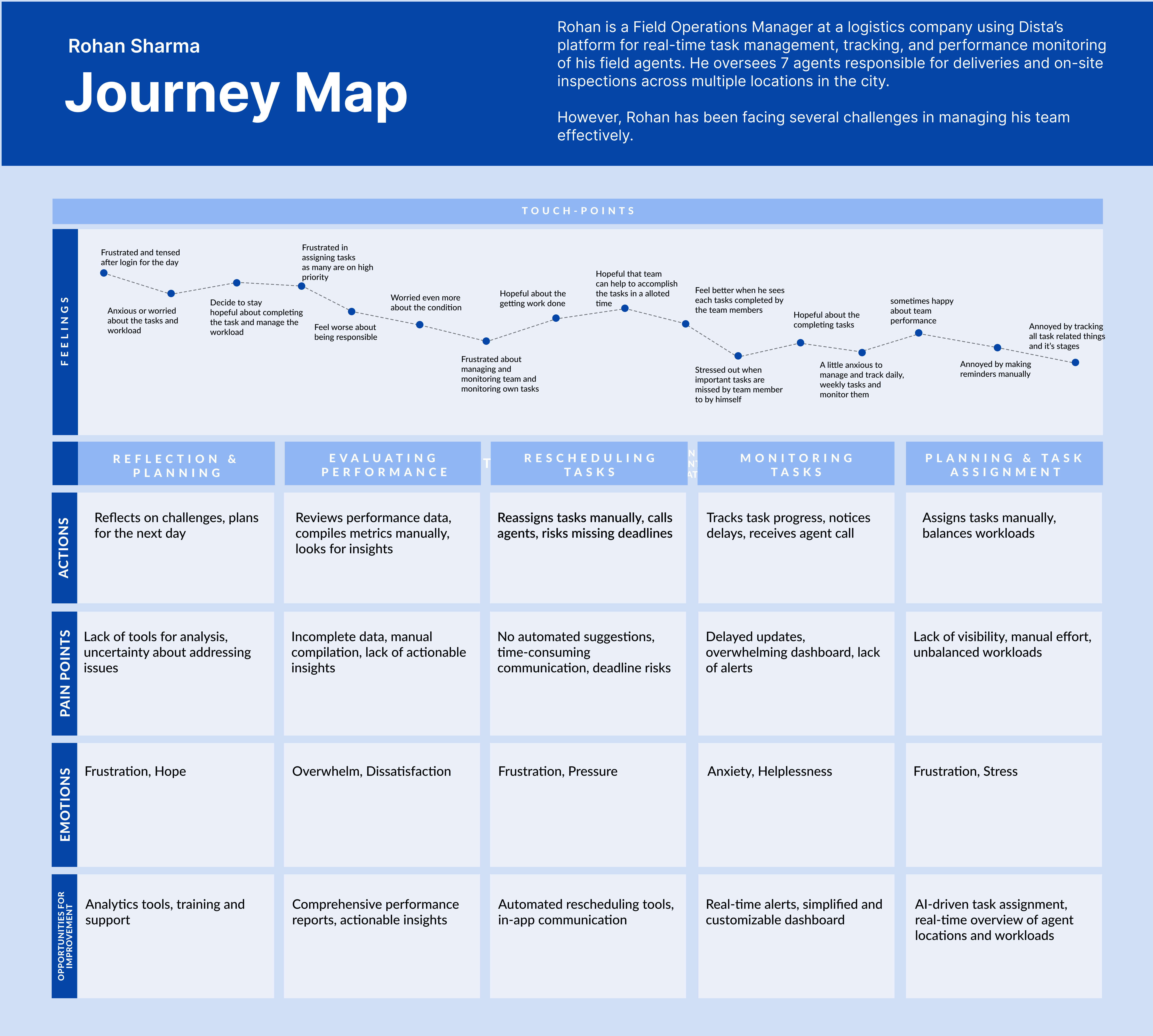
Journey Map
Asset A
Conclusion

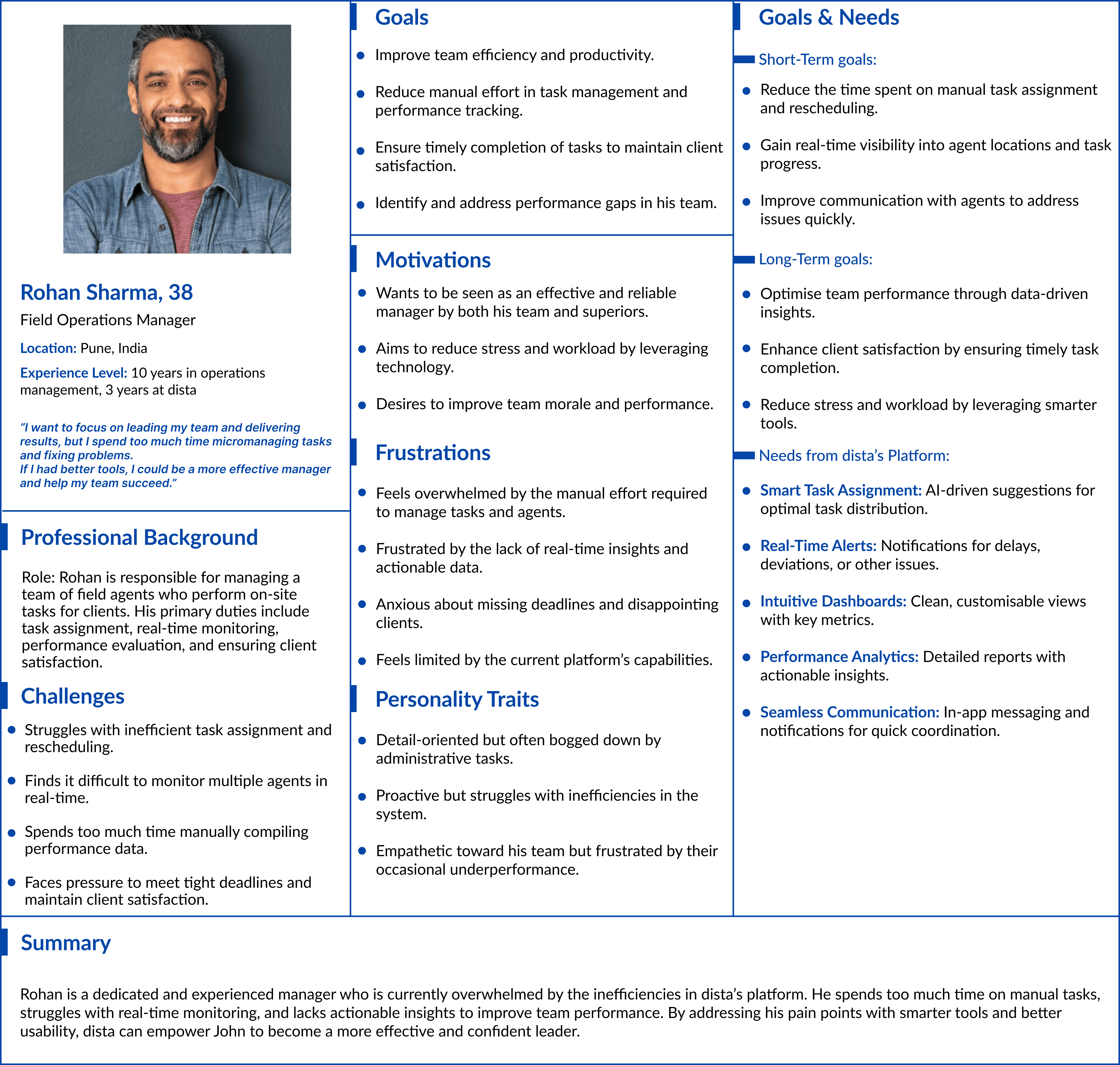
Rohan’s journey highlights the challenges faced by managers using dista’s platform. By addressing these pain points with smarter tools, real-time insights, and better usability, dista can significantly improve the experience for managers like Rohan, leading to greater efficiency, productivity, and job satisfaction.

Manager’s Constraints (Based on User interviews)

Rohan overseeing a team of 5-7 field agents, would face several constraints while monitoring tasks, assigning tasks, and evaluating performance. These constraints can be categorised into operational, technical, and human factors:

Operational Constraints


  • Real-Time Monitoring Challenges:

Managers need to track multiple agents simultaneously in real-time, which can be overwhelming if the platform lacks intuitive dashboards or automation.


  • Task Assignment Complexity:

Assigning tasks efficiently requires considering agent availability, location, workload, and skill sets. Without smart automation, this can become time-consuming.


  • Performance Metrics Overload:

Monitoring performance metrics (e.g., task completion rates, response times, travel efficiency) for 5-7 agents can lead to information overload if the dashboard is not well-organised or customisable.


  • Dynamic Field Conditions:

Field conditions (e.g., traffic, weather, or unexpected delays) can disrupt plans, requiring managers to reassign tasks or adjust schedules on the fly.


  • Communication Bottlenecks:

Coordinating with 5-7 agents in real-time can lead to delays if the platform lacks seamless communication tools (e.g., in-app messaging or notifications).


Technical Constraints


  • Platform Usability:

If the app or web dashboard is not user-friendly, managers may struggle to navigate, assign tasks, or extract insights quickly.


  • Data Accuracy and Latency:

Real-time tracking relies on accurate and up-to-date data. Any delays or inaccuracies in location updates or task statuses can hinder decision-making.


  • Integration Limitations:

If the platform does not integrate well with other tools (e.g., CRM, ERP, or scheduling software), managers may face inefficiencies in data sharing and task management.


  • Device and Connectivity Issues:

Field agents may face connectivity issues in remote areas, making real-time tracking and communication difficult for the manager.


Human Factors


  • Agent Availability and Workload:

Managers must balance workloads across agents to avoid burnout or inefficiencies, which can be challenging without clear visibility into each agent’s capacity.


  • Skill and Experience Gaps:

Not all agents may have the same skill level or experience, requiring managers to assign tasks strategically.


  • Agent Autonomy vs. Oversight:

Striking a balance between giving agents autonomy and micromanaging can be difficult, especially when performance metrics are closely monitored.


  • Time Management:

Managers must juggle multiple responsibilities (e.g., monitoring, assigning tasks, reporting), which can lead to time constraints and potential burnout.

Strategic Constraints


  • Resource Optimisation: Ensuring that agents are utilised efficiently (e.g., minimising travel time, maximising task completion) requires advanced analytics and planning, which may not always be available.


  • Scalability Issues: While managing 5–7 agents is manageable, the platform and processes must scale effectively if the team grows.


  • Cost vs. Efficiency Trade-offs: Managers may face constraints in optimising operations while keeping costs low (e.g., fuel, overtime, or tool subscriptions).

Rohan overseeing a team of 5-7 field agents, would face several constraints while monitoring tasks, assigning tasks, and evaluating performance. These constraints can be categorised into operational, technical, and human factors:

Operational Constraints


  • Real-Time Monitoring Challenges:

Managers need to track multiple agents simultaneously in real-time, which can be overwhelming if the platform lacks intuitive dashboards or automation.


  • Task Assignment Complexity:

Assigning tasks efficiently requires considering agent availability, location, workload, and skill sets. Without smart automation, this can become time-consuming.


  • Performance Metrics Overload:

Monitoring performance metrics (e.g., task completion rates, response times, travel efficiency) for 5-7 agents can lead to information overload if the dashboard is not well-organised or customisable.


  • Dynamic Field Conditions:

Field conditions (e.g., traffic, weather, or unexpected delays) can disrupt plans, requiring managers to reassign tasks or adjust schedules on the fly.


  • Communication Bottlenecks:

Coordinating with 5-7 agents in real-time can lead to delays if the platform lacks seamless communication tools (e.g., in-app messaging or notifications).


Technical Constraints


  • Platform Usability:

If the app or web dashboard is not user-friendly, managers may struggle to navigate, assign tasks, or extract insights quickly.


  • Data Accuracy and Latency:

Real-time tracking relies on accurate and up-to-date data. Any delays or inaccuracies in location updates or task statuses can hinder decision-making.


  • Integration Limitations:

If the platform does not integrate well with other tools (e.g., CRM, ERP, or scheduling software), managers may face inefficiencies in data sharing and task management.


  • Device and Connectivity Issues:

Field agents may face connectivity issues in remote areas, making real-time tracking and communication difficult for the manager.


Human Factors


  • Agent Availability and Workload:

Managers must balance workloads across agents to avoid burnout or inefficiencies, which can be challenging without clear visibility into each agent’s capacity.


  • Skill and Experience Gaps:

Not all agents may have the same skill level or experience, requiring managers to assign tasks strategically.


  • Agent Autonomy vs. Oversight:

Striking a balance between giving agents autonomy and micromanaging can be difficult, especially when performance metrics are closely monitored.


  • Time Management:

Managers must juggle multiple responsibilities (e.g., monitoring, assigning tasks, reporting), which can lead to time constraints and potential burnout.

Strategic Constraints


  • Resource Optimisation: Ensuring that agents are utilised efficiently (e.g., minimising travel time, maximising task completion) requires advanced analytics and planning, which may not always be available.


  • Scalability Issues: While managing 5–7 agents is manageable, the platform and processes must scale effectively if the team grows.


  • Cost vs. Efficiency Trade-offs: Managers may face constraints in optimising operations while keeping costs low (e.g., fuel, overtime, or tool subscriptions).

Rohan overseeing a team of 5-7 field agents, would face several constraints while monitoring tasks, assigning tasks, and evaluating performance. These constraints can be categorised into operational, technical, and human factors:

Operational Constraints


  • Real-Time Monitoring Challenges:

Managers need to track multiple agents simultaneously in real-time, which can be overwhelming if the platform lacks intuitive dashboards or automation.


  • Task Assignment Complexity:

Assigning tasks efficiently requires considering agent availability, location, workload, and skill sets. Without smart automation, this can become time-consuming.


  • Performance Metrics Overload:

Monitoring performance metrics (e.g., task completion rates, response times, travel efficiency) for 5-7 agents can lead to information overload if the dashboard is not well-organised or customisable.


  • Dynamic Field Conditions:

Field conditions (e.g., traffic, weather, or unexpected delays) can disrupt plans, requiring managers to reassign tasks or adjust schedules on the fly.


  • Communication Bottlenecks:

Coordinating with 5-7 agents in real-time can lead to delays if the platform lacks seamless communication tools (e.g., in-app messaging or notifications).


Technical Constraints


  • Platform Usability:

If the app or web dashboard is not user-friendly, managers may struggle to navigate, assign tasks, or extract insights quickly.


  • Data Accuracy and Latency:

Real-time tracking relies on accurate and up-to-date data. Any delays or inaccuracies in location updates or task statuses can hinder decision-making.


  • Integration Limitations:

If the platform does not integrate well with other tools (e.g., CRM, ERP, or scheduling software), managers may face inefficiencies in data sharing and task management.


  • Device and Connectivity Issues:

Field agents may face connectivity issues in remote areas, making real-time tracking and communication difficult for the manager.


Human Factors


  • Agent Availability and Workload:

Managers must balance workloads across agents to avoid burnout or inefficiencies, which can be challenging without clear visibility into each agent’s capacity.


  • Skill and Experience Gaps:

Not all agents may have the same skill level or experience, requiring managers to assign tasks strategically.


  • Agent Autonomy vs. Oversight:

Striking a balance between giving agents autonomy and micromanaging can be difficult, especially when performance metrics are closely monitored.


  • Time Management:

Managers must juggle multiple responsibilities (e.g., monitoring, assigning tasks, reporting), which can lead to time constraints and potential burnout.

Strategic Constraints


  • Resource Optimisation: Ensuring that agents are utilised efficiently (e.g., minimising travel time, maximising task completion) requires advanced analytics and planning, which may not always be available.


  • Scalability Issues: While managing 5–7 agents is manageable, the platform and processes must scale effectively if the team grows.


  • Cost vs. Efficiency Trade-offs: Managers may face constraints in optimising operations while keeping costs low (e.g., fuel, overtime, or tool subscriptions).

My Design Process
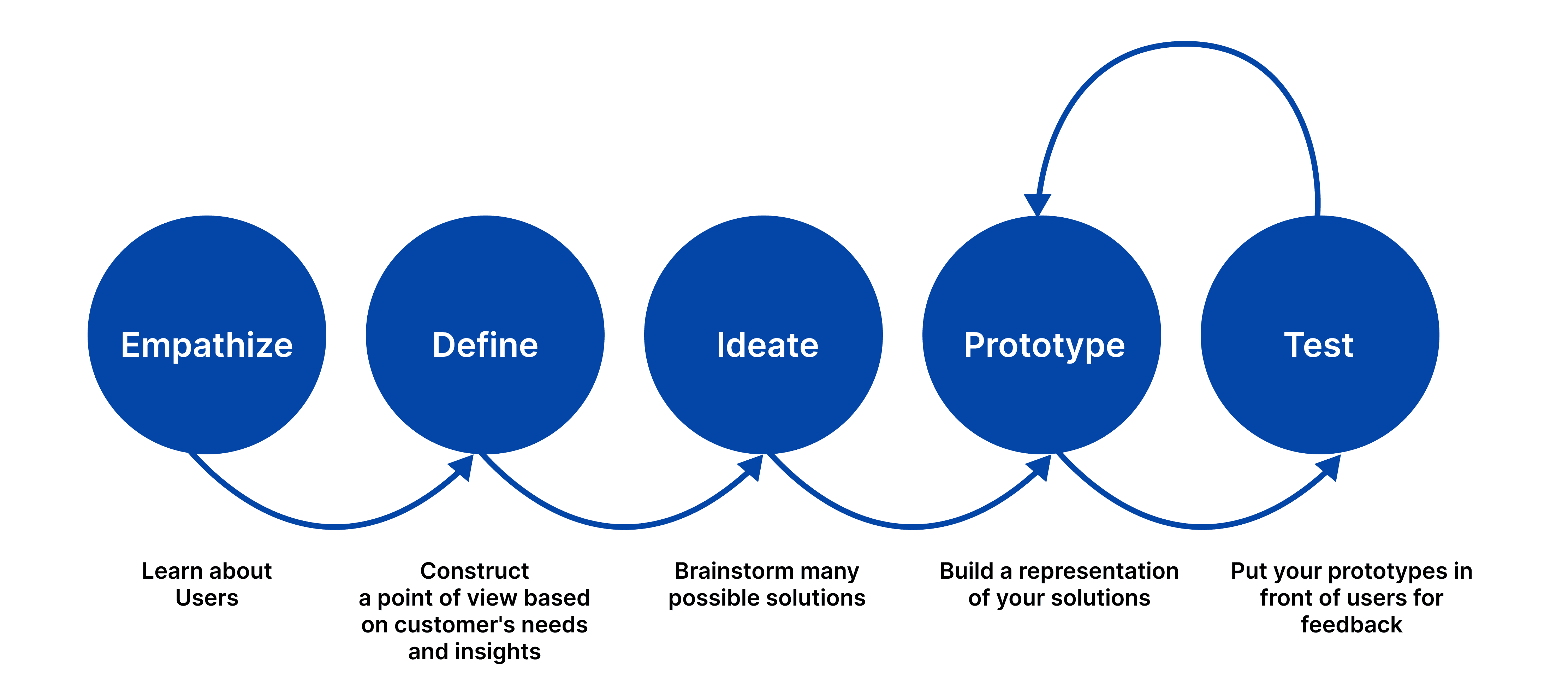
Asset A
User Persona
Asset A
How dista’s Platform Could Help

To address Rohan’s challenges, dista’s platform could incorporate the following features:


  • Smart Task Assignment: Use AI to suggest optimal task assignments based on agent location, workload, and skills.


  • Real-Time Alerts: Notify managers of delays, route deviations, or other issues in real-time.


  • Intuitive Dashboards: Provide a clean, customizable interface that highlights key metrics and task statuses.


  • Automated Rescheduling: Offer tools to quickly reassign tasks with minimal manual effort.


  • Performance Analytics: Generate detailed performance reports for each agent, highlighting trends and areas for improvement.


  • Seamless Communication: Integrate in-app messaging and notifications to streamline communication between managers and agents.


By addressing these issues, dista’s platform could empower managers like Rohan to oversee their teams more effectively, leading to improved productivity, better client satisfaction, and higher team morale.


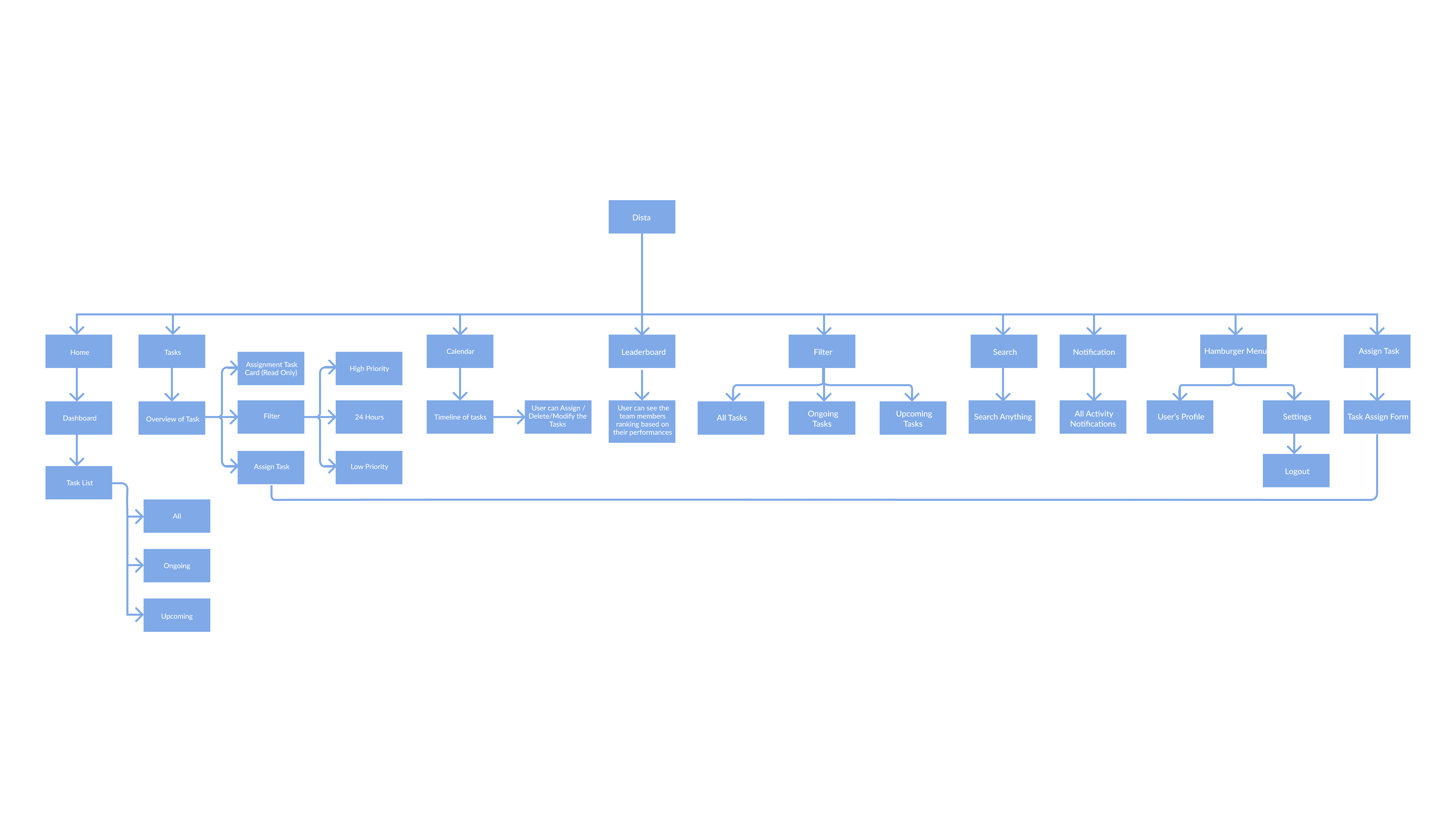
Information Architecture
Asset A
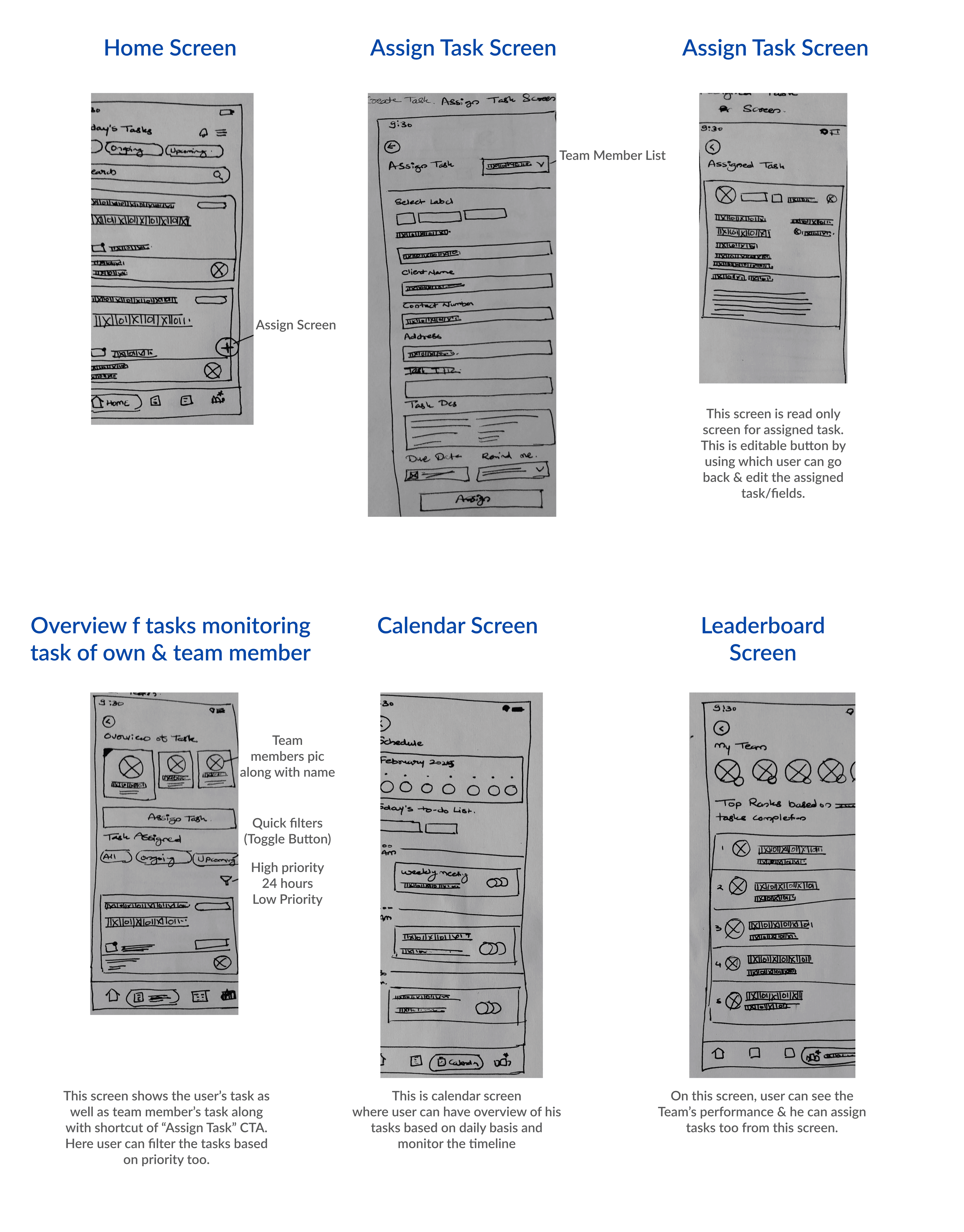
Hand Drawn Sketches
Asset A
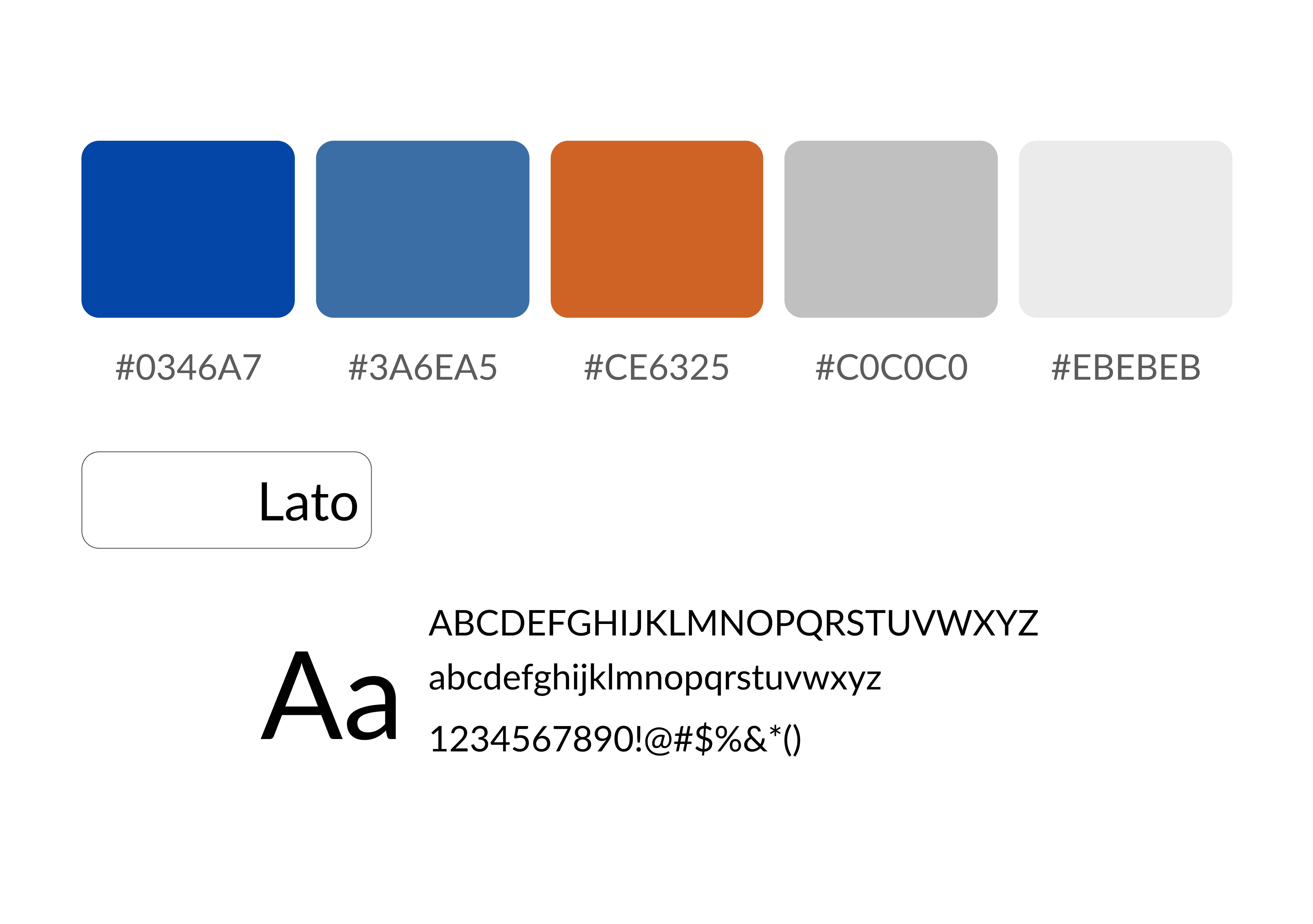
Colour Swatches & Typography
Asset A
Visual Designs
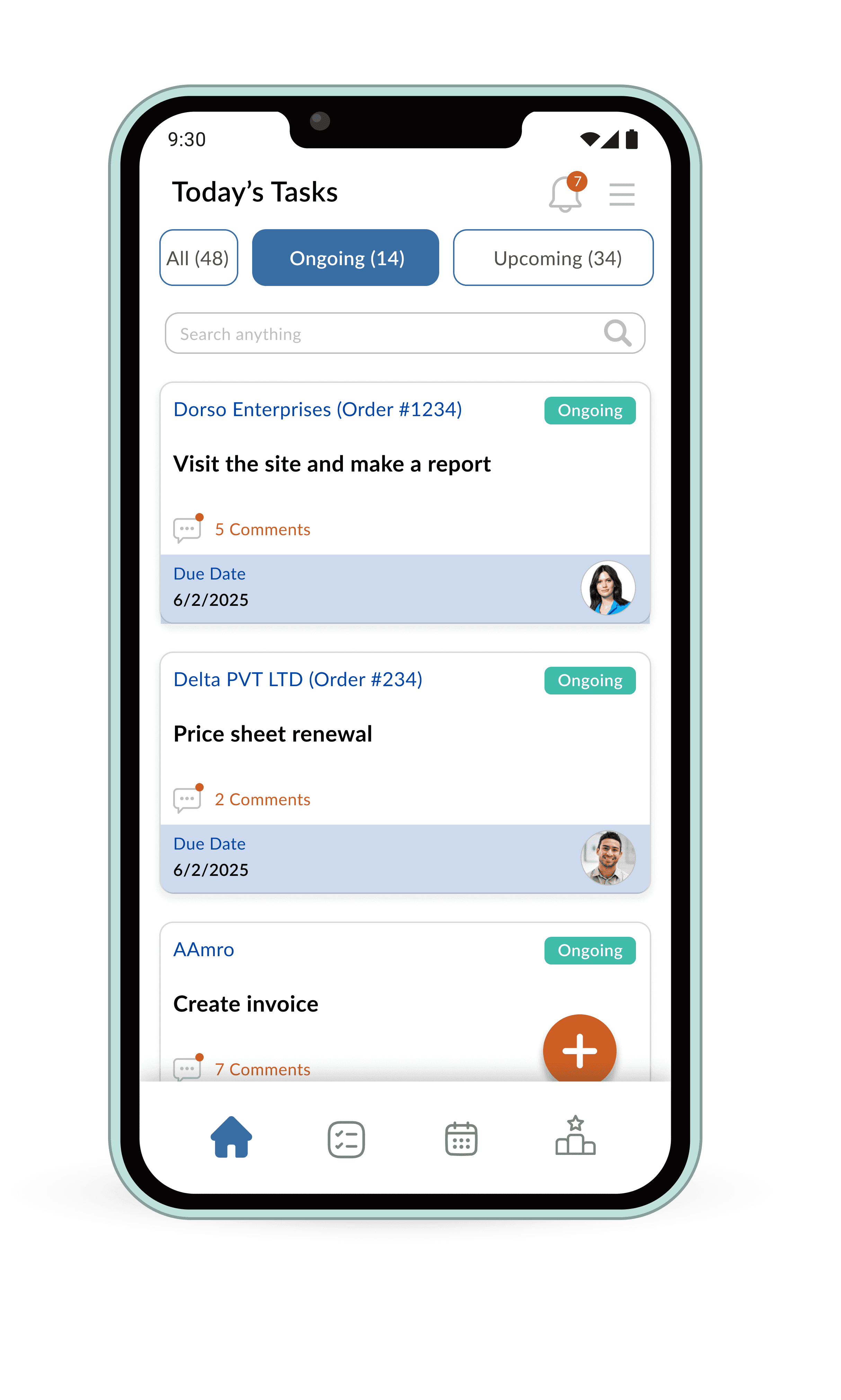
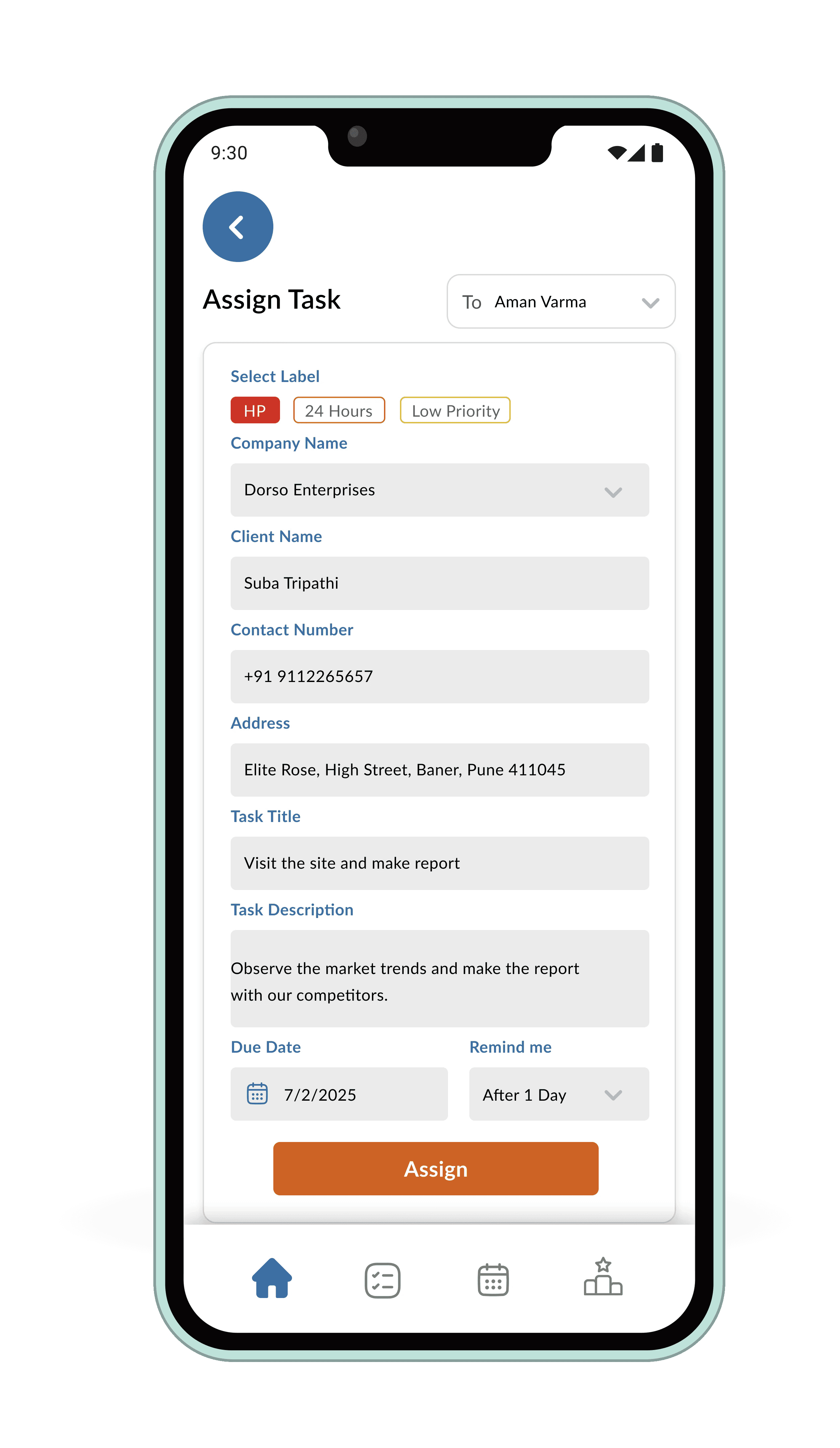
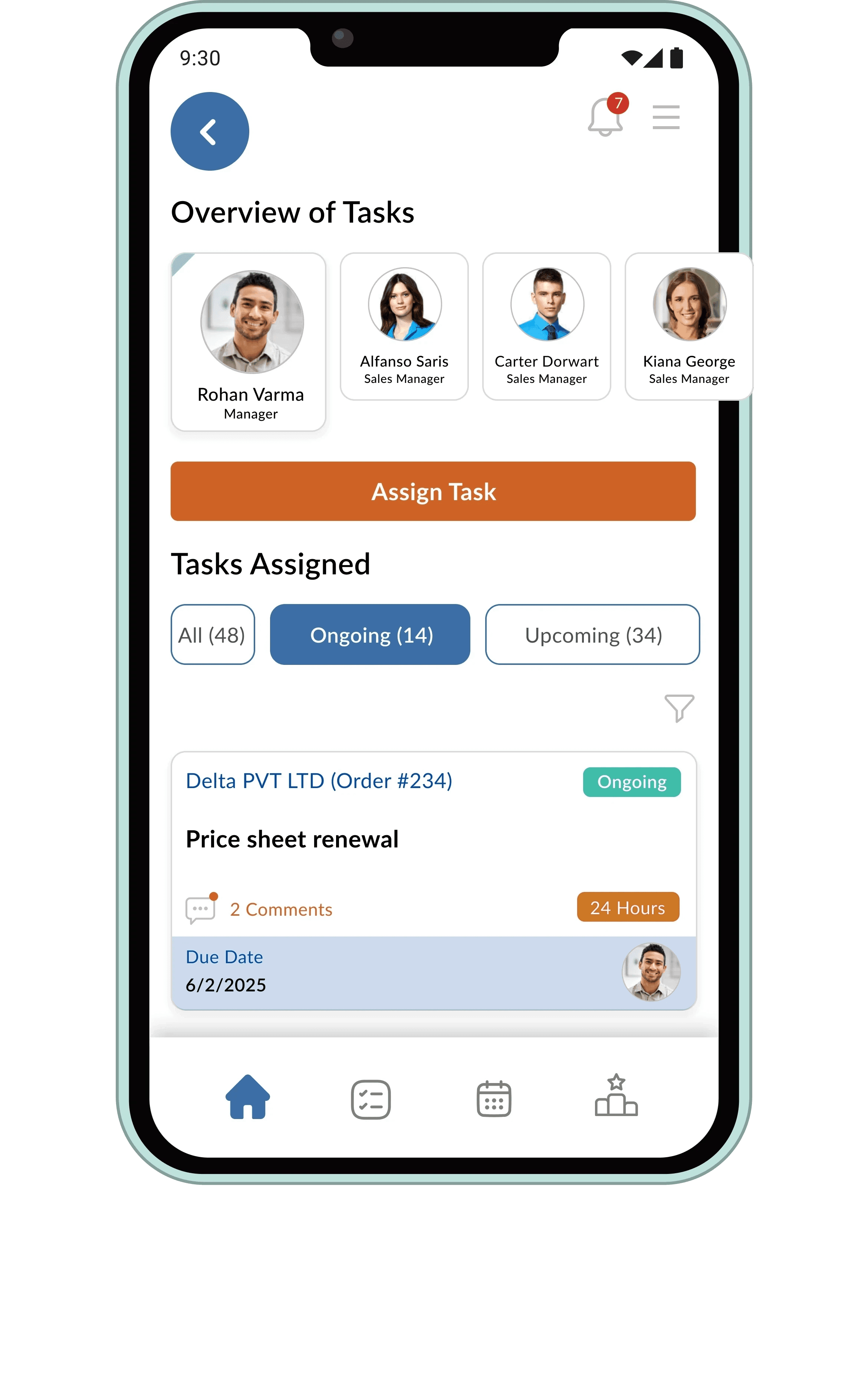
Task Screen & Assign Task Screen
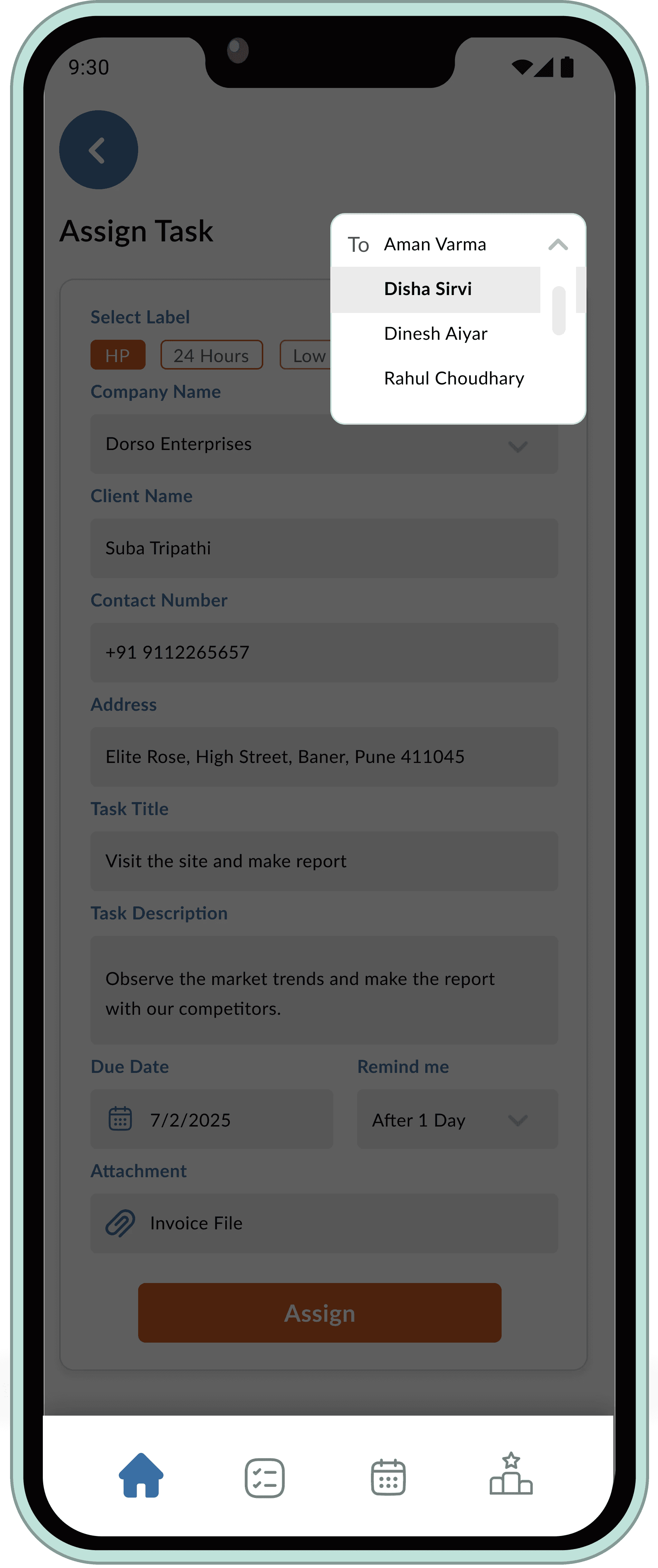
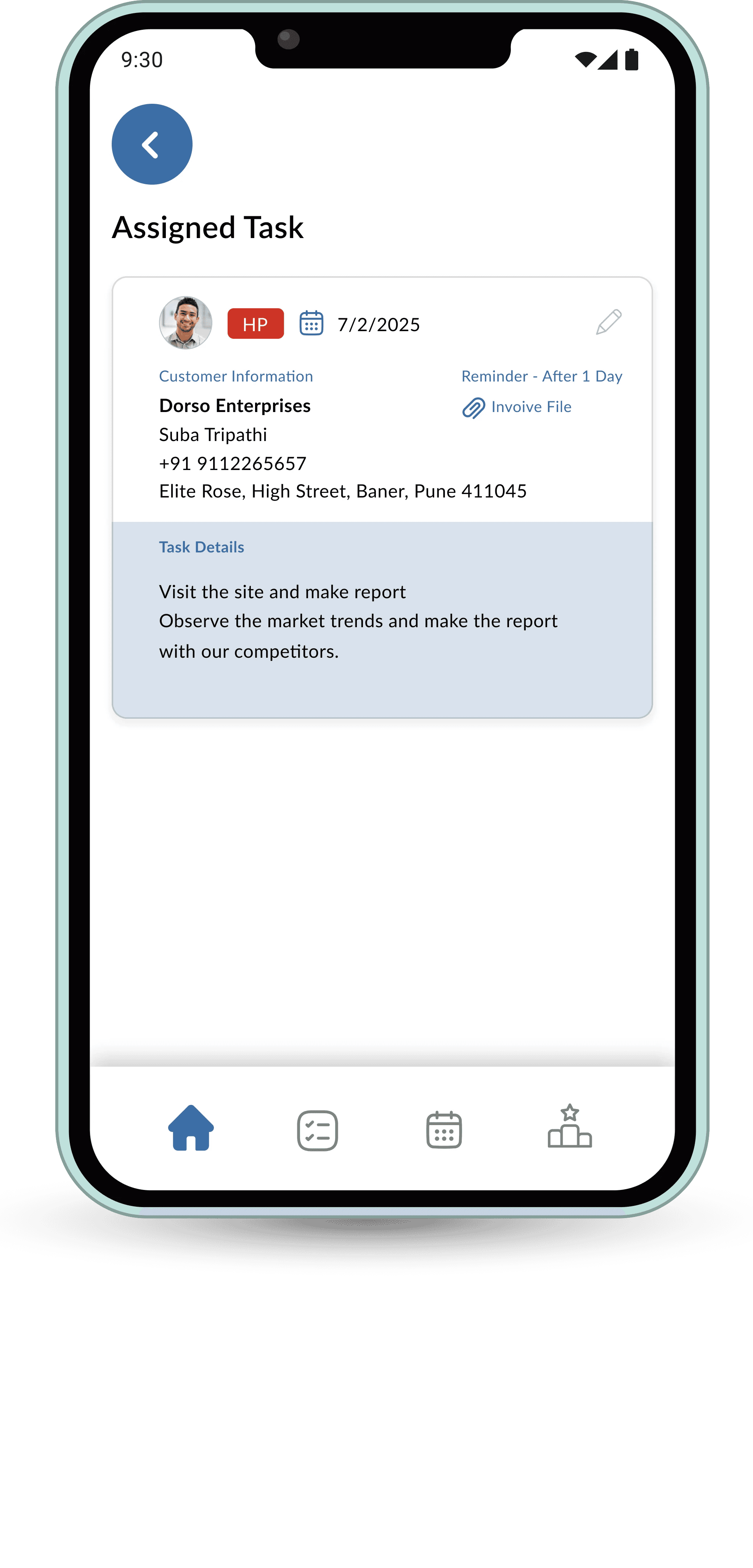
Team member Filter & Assign Task Completed Card
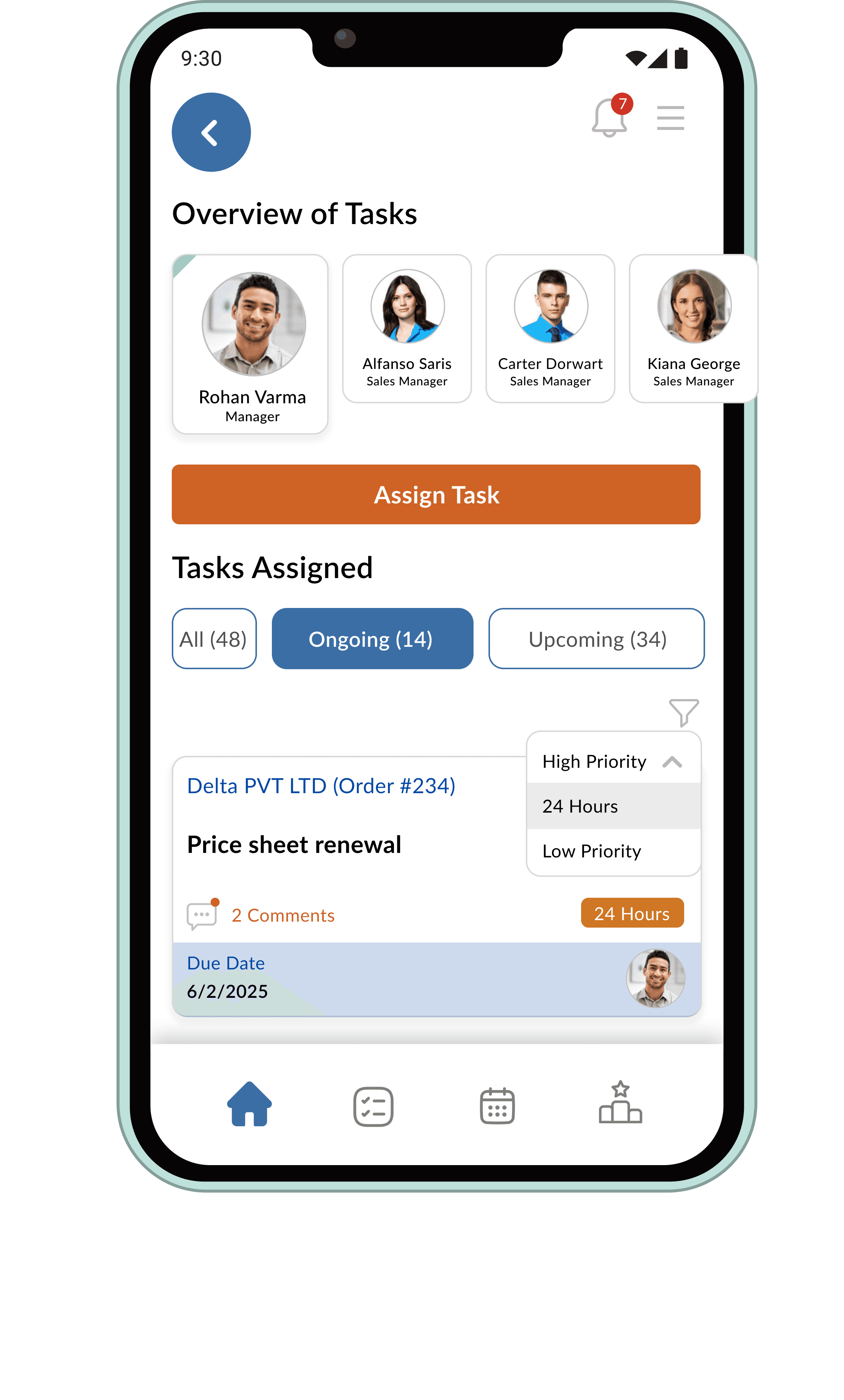
Overview of Tasks Screen & Overview of Tasks Screen (Filter)
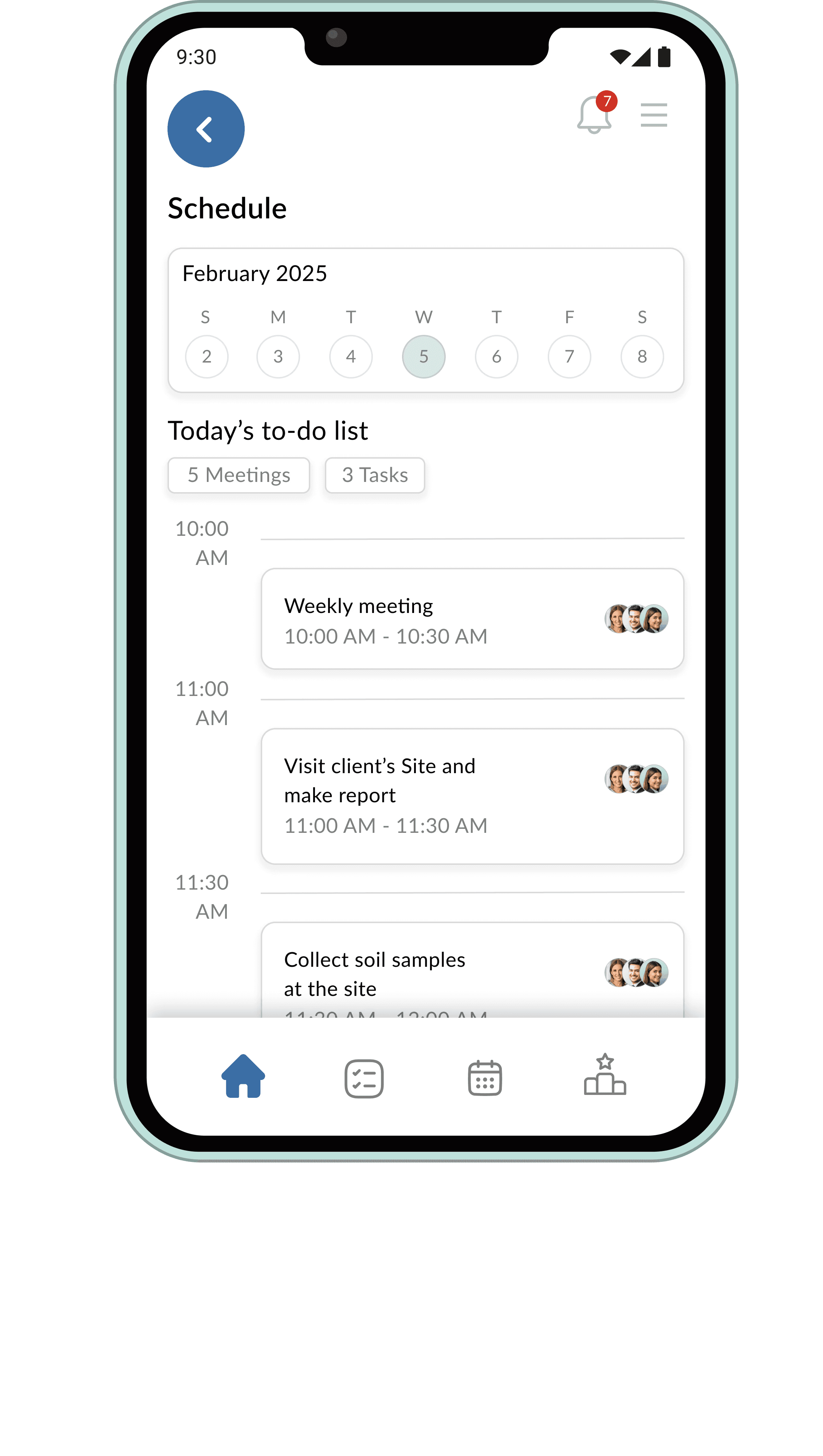
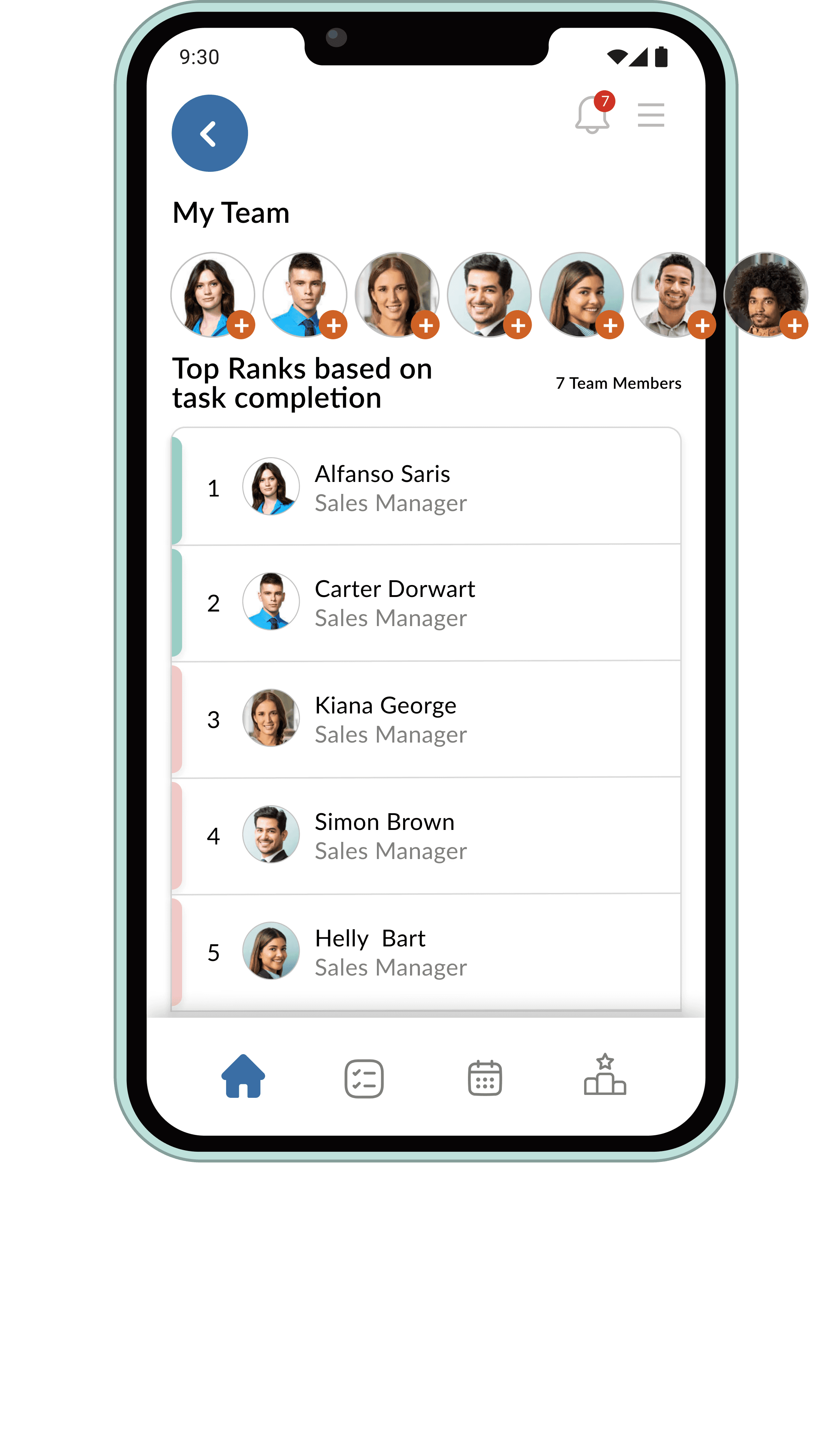
Scheduler Screen & My Team Screen